Prof. Dr. Harris Effendi Thahar: A Luminary of Literature and Academia
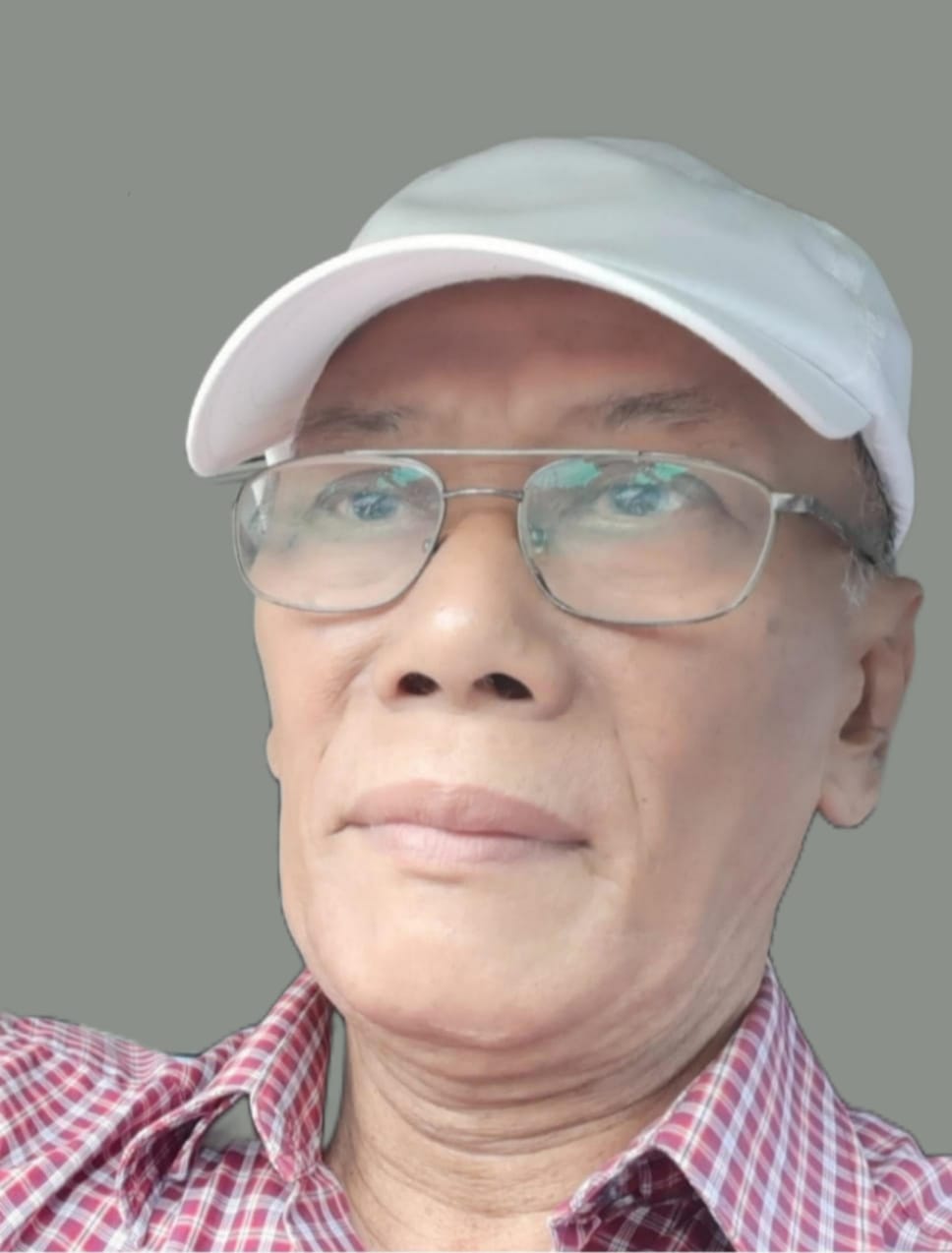
Prof. Dr. Harris Effendi Thahar
By Leni Marlina
–
JAKARTA – Suara Anak Negeri.com| Amid the ever-evolving panorama of Indonesian literature and academia, one name resonates with timeless brilliance: Prof. Dr. Harris Effendi Thahar. Born on January 4, 1950, in Tembilahan, Riau, Harris embodies the perfect synthesis of literary excellence and academic rigor. He is more than a distinguished writer and academic; he is a beacon of intellectual humility and an enduring source of inspiration for generations.
A Journey from Minangkabau-West Sumatra to the National Stage
The seventh of eleven siblings, Harris grew up in a household steeped in intellectual curiosity. His parents, Thahar Umar and Nurijah Rasyad, cultivated a culture of reading and discussion, shaping Harris into a thinker and writer from a young age. “I was born into a home filled with books and debates,” Harris once reflected. This foundation became the fertile ground from which his lifelong passion for knowledge and storytelling grew.
His academic journey began at STM Padang, where he studied Water Building Construction. He later pursued higher education in Architectural Engineering Education at IKIP Padang, earning his Bachelor’s degree in 1994, followed by a Master’s degree in 2000 and a Doctorate from Universitas Negeri Jakarta in 2006. For Harris, education was never merely a pursuit of qualifications but a way of life. “Education is the indestructible foundation of society,” he firmly believes.
The Dual Role: An Academic and a Storyteller
Harris began his career as a lecturer at IKIP Padang while simultaneously working as a journalist. This dual role allowed him to weave a unique narrative fabric—combining critical analysis with creative storytelling. “Writing is a way to calm my restlessness,” Harris remarked. His works frequently explore the sociocultural dynamics of his native Minangkabau, capturing both its beauty and contradictions.
One of his seminal works, Si Padang, published in Kompas in 1986, critiques the erosion of cultural values among Minangkabau migrants. This short story not only earned widespread acclaim but also sparked important conversations within the diaspora. As Ernest Hemingway aptly said, “A writer is someone who has taught his mind to listen to himself.” Harris exemplifies this introspective depth, using his words to reflect and critique societal norms.
A Legacy of Masterpieces
Harris’s contributions to Indonesian literature span decades, with works that delve into the complexities of human experience and societal structures. His published works include:
1. “Lagu Sederhana Merdeka” (1979), A poetic collection reflecting the themes of freedom and individuality,2 celebrating Indonesia’s journey toward self-discovery.
2. “Si Padang” (2003). A short story anthology examining the dilemmas of cultural identity among the Minangkabau diaspora.
3. “Anjing Bagus” (2005). This poignant collection of short stories critiques social hierarchies and explores themes of loyalty and betrayal.
4. “Kopi Rasa Bahagia” (2020). A compilation of essays that blends personal reflections with cultural analysis, offering readers a slice of life’s bittersweet moments.
5. “Rumah Ibu” (2020). A collection of short stories that tenderly portrays the central role of mothers in shaping families and societies.
Each of these works, published by reputable outlets such as Kompas and Kabarita, highlights Harris’s commitment to storytelling as a tool for empathy and understanding. As Franz Kafka once said, “A book must be the axe for the frozen sea inside us.” Harris’s writing embodies this philosophy, challenging readers to confront their assumptions and biases.
Teaching and Inspiring Across Continents
Harris’s influence extends beyond Indonesia. In 1995, he served as a visiting lecturer in the Indonesian Language and Literature Department at the University of Tasmania, under the direction of Prof. Ismet Fanany. This experience enriched his global perspective, enabling him to integrate international insights into his teaching and writing.
A Life of Humility and Generosity
Despite his numerous accolades, Harris remains a model of humility. “What I’ve achieved is the result of many supportive hands,” he often says. His character aligns with Maya Angelou’s timeless observation: “People will forget what you said, people will forget what you did, but people will never forget how you made them feel.”
Harris’s dedication to uplifting others is evident in his role as Chair of the West Sumatra Arts Council (2007–2010) and his mentorship of countless students and writers. His influence is not limited to the written word but extends to the communities he serves.
An Intellectual and Cultural Bridge
Harris’s work bridges the gap between tradition and modernity, making him a pivotal figure in Indonesian arts and letters. His ability to capture the essence of Padang’s landscapes—its rolling hills, bustling markets, and serene beaches—infuses his stories with vivid imagery that resonates deeply with readers.
One cannot overlook the way Harris celebrates his roots while addressing universal themes. His narratives, set against the backdrop of Minangkabau culture and the University of Padang’s intellectual vibrancy, serve as a testament to his enduring legacy.
A Timeless Figure in Literature and Education
Prof. Dr. Harris Effendi Thahar is more than an academic or a writer; he is a symbol of how one individual can influence a nation’s cultural and intellectual trajectory. His works remain an indispensable part of Indonesia’s literary canon, and his teachings continue to inspire both peers and younger generations.
As Harris himself often says, “Literature is the mirror of society, reflecting both its light and shadows.” And in holding up that mirror, he has gifted the world an unflinching, empathetic view of humanity.
[Leni Marlina—Suara Anak Negeri; assisted by AI, supported by Komunitas Pondok Puisi Inspirasi Pemikiran Masyarakat (PPIPM-Indonesia), Poetry-Pen International Community, Literature Talk Community and Satu Pena West Sumatra-Indonesia]