Siti Manggopoh: The Minangkabau Heroine Inspiring a Global Narrative of Justice and Resilience

Dokumentation by Sastri Bakry
By Leni Marlina
–
SUARA ANAK NEGERI NEWS.COM-The air was electric at Jakarta’s Usmar Ismail Film Theatre on the evening of January 11, 2025. As the stage lights dimmed, the audience—comprising cultural enthusiasts, international dignitaries, and community leaders—found themselves transported to a pivotal momentw in history. The masterpiece Randai III Siti Manggopoh, presented by Yayasan Sumbar Talenta and Gerakan Mudo Minang (GEMUMI), was not merely a theatrical performance. It was a living, breathing testament to the power of art in preserving history and igniting global conversations about justice and resilience.
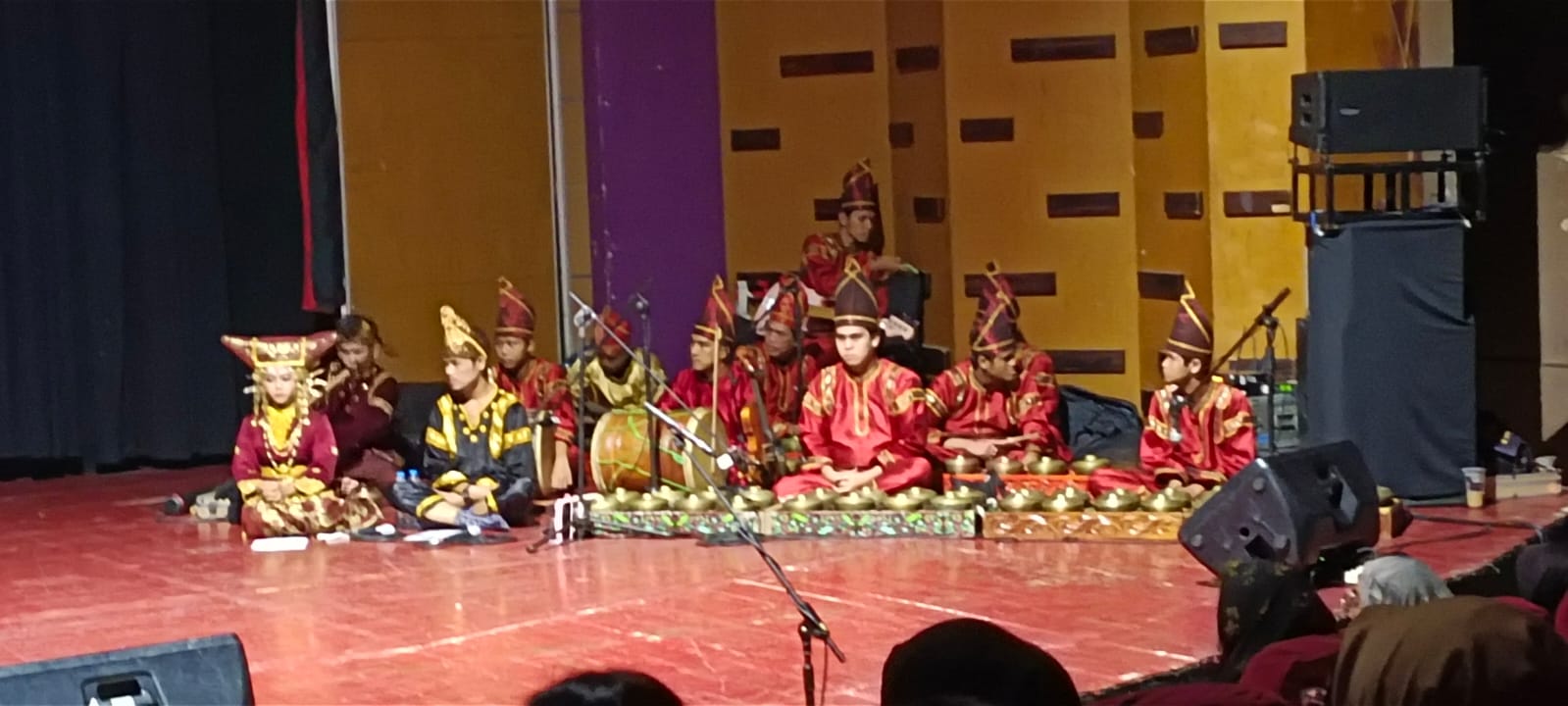
For two and a half hours, the audience was enraptured by the life story of Siti Manggopoh, a fearless Minangkabau woman who led a rebellion against the Dutch colonial taxation policy (belasting) in 1908. Her story, steeped in the spirit of resistance and the fight for justice, resonated far beyond the borders of her homeland.
The production, which featured 100 performers, was attended by influential figures such as Sugeng Haryono, Head of the BPSDM Ministry of Home Affairs, Raden Muhammad Arif, Indonesian Ambassador to Kuwait, Dr. Andri Warman, Regent of Agam, and Dr. dr. Hj. Aragar Putri Deli, MRDM, SpKKLP, an advisor to the Ikatan Keluarga Srikandi Manggopoh (IKSM) Jakarta. Their presence underscored the significance of this cultural masterpiece not only for Indonesia but for the global stage.
Siti Manggopoh: A Heroine for All Ages
Siti Manggopoh’s life story is a microcosm of the universal struggle for justice and equality. Born in Nagari Manggopoh, West Sumatra, she emerged as a symbol of resistance against the oppressive belasting policy imposed by Dutch colonial rulers. This tax policy disproportionately burdened the most vulnerable in society, stripping them of their rights and livelihoods.
At a time when women were often relegated to the sidelines, Siti’s leadership defied norms and expectations. She galvanized her community, strategically planned attacks, and confronted the might of colonial powers head-on. Despite her eventual capture and the exile of her husband to Manado, Siti’s courage left an indelible mark on the collective memory of her people.
Reflecting on such figures, Indian philosopher and Nobel laureate Rabindranath Tagore once said, “The history of humankind is not the story of the powerful, but of the persistent. It is in the spirit of resistance that humanity finds its truest self.” Siti’s story exemplifies this sentiment, transcending local significance to become a universal narrative of resilience.
Siti Manggopoh, a name etched in Indonesia’s history, continues to resonate beyond the pages of textbooks. Her legacy as a brave woman who led resistance against colonial oppression has inspired countless works of literature, particularly poetry. Among these tributes, two recent poems stand out, each offering a unique lens on her heroism and sacrifice.
In “Siti Manggopoh: A Courageous Woman Warrior”, Leni Marlina captures the indomitable spirit of this remarkable heroine. Published in 2024 on Forum Sumbar.Com, the poem highlights Siti’s fearless leadership and unwavering resolve in the face of adversity. Through eloquent verses, Leni Marlina—a writer and educator—ensures that Siti’s name continues to inspire future generations, reminding them of the values of courage and justice.
On the other hand, Wisye Paula Deja takes a deeply emotional approach in her poem, “My Longing for Mande Siti Manggopoh”. Published in 2025 on Suara Anak Negeri News.Com, this work portrays Siti Manggopoh not just as a historical figure but as a mother of the nation, whose presence is dearly missed. Filled with longing and reverence, the poem reflects on Siti’s love and sacrifice for her people, offering a heartfelt tribute to her enduring influence.
Both poets are members of Poetry Community of Indonesian Society Inspirations (PPIPM-Indonesia); the Indonesian Satu Pena writers’ community, branch West Sumatra, as well as the Siti Manggopoh Forum, an organization committed to honoring her legacy through various fields including creative expressions, literature and culture. By bringing Siti Manggopoh’s story to life in their poetry, they ensure that her spirit remains alive, not only in Indonesia but also as a universal symbol of resilience, empowerment, and justice.
Through these poetic works, Siti Manggopoh’s heroism transcends time, offering inspiration to all who seek strength in the face of oppression and a reminder of the power of one woman’s courage to shape history.
A Universal Message of Justice and Empowerment
The themes embedded in Siti Manggopoh’s life story resonate with cultural struggles worldwide. In his work Pedagogys of the Oppressed, Brazilian educator Paulo Freire wrote, “Liberation is a praxis: the action and reflection of men and women upon their world in order to transform it.” Siti’s rebellion against colonial injustice embodies this transformative praxis. Her defiance was not only an act of courage but a deliberate reflection on the value of justice and freedom for her people.
In an era where gender equality and social justice are global imperatives, Siti’s legacy offers a timeless lesson: that women are not merely participants in history but its shapers. Her story aligns with the vision articulated by Eleanor Roosevelt, who championed the Universal Declaration of Human Rights: “The future belongs to those who believe in the beauty of their dreams.” Siti’s dream of justice and autonomy remains a beacon for oppressed communities worldwide.
Art as a Bridge Between Cultures and Generations
The Randai III Siti Manggopoh performance was a masterful fusion of Minangkabau’s cultural heritage and universal storytelling. Featuring elements such as Tari Pasambahan (welcome dance), Randai Kreasi (dramatic narrative infused with Minang-style humor), Silat Tradisional (traditional martial arts), and Tari Piriang (plate dance), the production was both a cultural celebration and an educational experience.
“Art has the power to transcend boundaries and awaken the soul,” said Martha Graham, the pioneering American dancer and choreographer. This truth was evident in the emotional depth of the performance, which brought Siti’s struggles to life in ways that words alone could not.
Directed by Joserizal Manua and Joharsen, with creative leadership from Agus Siswanto and Sastri Bakry, the production succeeded in making history accessible to modern audiences. “The dedication of our team turned three months of preparation into an unforgettable performance,” said Agus.
The Global Significance of Cultural Preservation
The international relevance of Randai III Siti Manggopoh lies in its ability to bridge past and present, local and global. By showcasing the resilience of a Minangkabau heroine, the performance highlighted the shared values that unite humanity: the pursuit of justice, the empowerment of women, and the preservation of cultural identity.
The presence of global thinkers and dignitaries at the event further underscored its importance as a cultural dialogue. Sugeng Haryono praised the production for its educational impact, stating, “This is not just a performance; it is a lesson for the world. It reminds us of the values we must uphold in our quest for a more just and equitable society.”
Ridwan Datuak Tumbijo echoed this sentiment: “The story of Siti Manggopoh is a heritage we must cherish and share. It is an inspiration for people across the world to fight for their rights and stand against oppression.”
A Call to Action: Celebrating Heritage for a Better Future
As the final scene faded and the audience rose to their feet in applause, one thing was clear: Randai III Siti Manggopoh was more than entertainment. It was a call to action—a reminder of the power of culture to heal, educate, and inspire.
In the words of cultural anthropologist Margaret Mead, “Never doubt that a small group of thoughtful, committed citizens can change the world. Indeed, it is the only thing that ever has.” The story of Siti Manggopoh and the production that brought her legacy to life affirm this belief, proving that even the smallest acts of courage can ripple across generations and borders.
Let us carry Siti Manggopoh’s spirit forward, ensuring that her legacy continues to inspire a world that values justice, equality, and the enduring power of human resilience.
————————–
[LM – Suara Anak Negeri News.com; PPIPM-Indonesia; Satu Pena Sumbar; FSM, assisted by AI]
Sastri Bakry’s Documentation