Teaching at the Edge of the Nation: The Urgent Need for Differentiated Policies for Papuan Educators Philosophical, Sociological, and Public Policy Perspectives
By Paulus Laratmase
Translated (Indonesian-English) by Leni Marlina, Editor of Suaraanaknegerinews.com
–
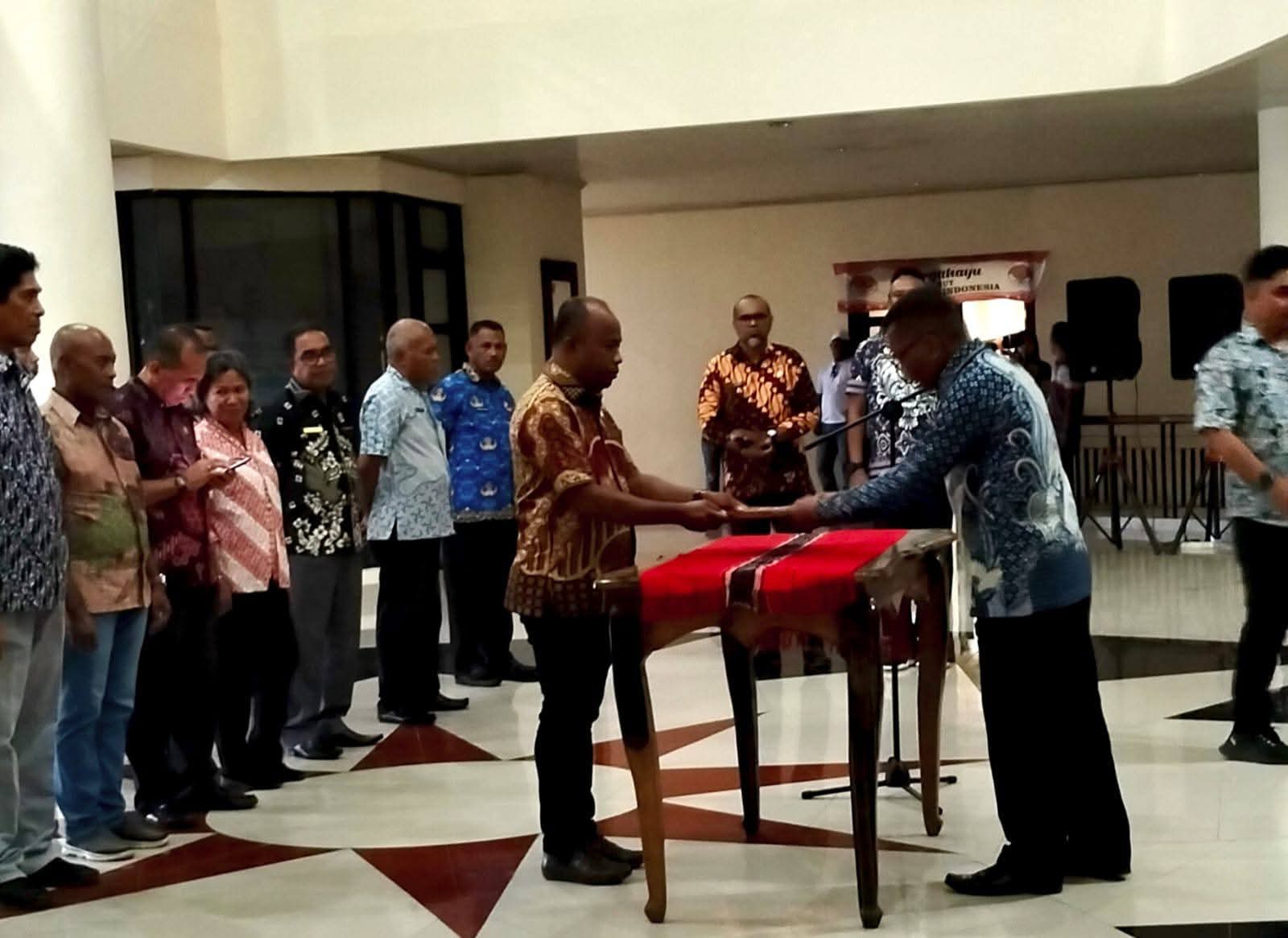
November 26, 2025 – suaraanaknegerinews.com| On Monday, November 24, 2025, I joined Prof. Nunuk Suryani, Director General for Teachers and Education Personnel (GTK), and her staff at the Ministry of Primary and Secondary Education for a candid discussion about the realities confronting teachers in Papua. Entering the air-conditioned conference room, I carried more than administrative reports; I carried the lived experiences, hopes, and frustrations of educators who navigate treacherous terrain, face unfulfilled policy promises, and bear a burden of service far heavier than peers elsewhere in Indonesia.

On this National Teachers’ Day 2025, a pressing question arises: does the state truly uphold its duty to the educators who sustain the flame of learning in the nation’s remotest corners?
Philosophical Dimensions: “Digugu lan Ditiru” in Papua
In Javanese culture, a teacher is “Digugu Lan Ditiru” a moral exemplar and a living model. Yet such ideals are meaningful only when the state ensures the teacher’s dignity and welfare. Ki Hadjar Dewantara’s philosophy “Ing ngarsa sung tuladha, Ing madya mangun karsa, Tut wuri handayani” envisions educators free in thought, socially empowered, and materially secure.
Papuan teachers embody these principles with extraordinary commitment, often unnoticed at the national level. They walk for hours across mountains, cross treacherous rivers, teach in classrooms made of simple plywood, and return home uncertain of their salaries or benefits. In Papua, Ki Hadjar’s ideals are tangible: teachers lead by example, mobilize communities from within, and empower change quietly from behind.
Yet these philosophical ideals risk becoming ironic when the state demands moral leadership but fails to provide material justice. Teachers are asked to embody Ki Hadjar’s principles, yet the system neglects their rights highlighting the urgent need for differentiated policies where fairness is contextual, not uniform.
Sociological Realities: Challenges Beyond Standardization
Papua’s social landscape differs radically from other regions. Village structures, customary norms, inter-community networks, and population mobility shape the educational context. In many cases, teachers are the state’s sole presence in remote villages: educator, mediator, administrator, counselor, and even emergency responder.
National administrative requirements complex digital uploads for certification, evaluations, and portfolios place Papuan teachers in structurally vulnerable positions. Not due to incompetence, but due to infrastructure limitations. While a teacher in Java can upload documents from home, Papuan teachers may trek six hours to reach the nearest district office and only if the internet is functional.
Without sensitivity to these sociological realities, national regulations risk creating systemic inequities.
Geography as a Determinant of Educational Justice
Papua is not Java. Policies must account for the region’s formidable geography: rugged mountains, deep valleys, treacherous rivers, and isolated villages. Daily teaching comes with multiplied social costs: expensive and risky transportation, limited logistics, and time-consuming administrative processes that subtract from instructional hours.
Educational justice must be grounded in geographically adjusted policy, measuring teachers’ rights not by uniform standards but by empathy for real-world conditions.
The Psychology of Dedication: Hope, Fatigue, and Resilience
Papuan teachers carry immense psychological burdens. They teach with dedication yet live with constant anxiety: Will my allowance arrive? Did I submit the report correctly? Will my journey to school be safe? Will the boat survive the lake?
Physical hardship compounded by administrative pressure leads to structural fatigue. Many teachers continue working dutifully but lose faith in the state’s promises. This erosion of trust is a greater threat to education than lack of infrastructure.
Prof. Nunuk’s empathetic response provides hope, but personal empathy must evolve into structural reform.
The Urgency of Differentiated Policies
To protect the rights of teachers in remote regions, particularly Papua, the state must implement three core policy reforms:
- Administrative Differentiation
Simplify or waive digital submission requirements for teachers in 4T regions. Allow manual or collective validation by local offices in place of online submissions. Establish administrative shelters—local teams ensuring all teachers’ data are validated despite connectivity issues.
- Welfare Differentiation
Provide geographic hardship allowances and periodic transport subsidies for teachers facing dangerous routes. Guarantee timely payment of allowances through affirmative mechanisms.
- Protection and Professional Development Differentiation
Tailor training programs to local needs rather than uniform curricula. Offer psychological support for teachers in conflict-prone or extreme areas. Accelerate employment status for honorary teachers in isolated regions.
These measures are not merely technical, they are moral imperatives. Education in Papua cannot advance if teachers, the very foundation, are forced to navigate a system disconnected from their realities.
Conclusion
On National Teachers’ Day 2025, we honor educators who teach not for recognition, but for the future of the nation. Papuan teachers, confronting extreme geographic, social, and psychological challenges, embody the authentic meaning of digugu lan ditiru.
The state must respond with policies that are fair, contextual, and humane. Real justice does not come from uniformity, but from the courage to see and address reality fully.
My meeting with the Director General is not the conclusion; it is the beginning, an opportunity to advocate for differentiated policies that humanize teachers, especially those serving at the nation’s edge.
Happy Teachers’ Day Indonesia, “An Educated Nation, Teachers Empowered.”
*( Paulus Laratmase is a teacher at SMK Negeri 1 Biak, Lecturer in Philosophy of Education at STKIP Biak, and Lecturer in Nursing Philosophy at Poltekes Kemenkes RI, Biak Papua.
The Indonesian version of the news article above is available in the following official link: