Choosing to Live: Review of Anna Keiko’s Bilingual (English-Indonesian) Poem “If You Want to Live” (2021) Translated by L. Marlina
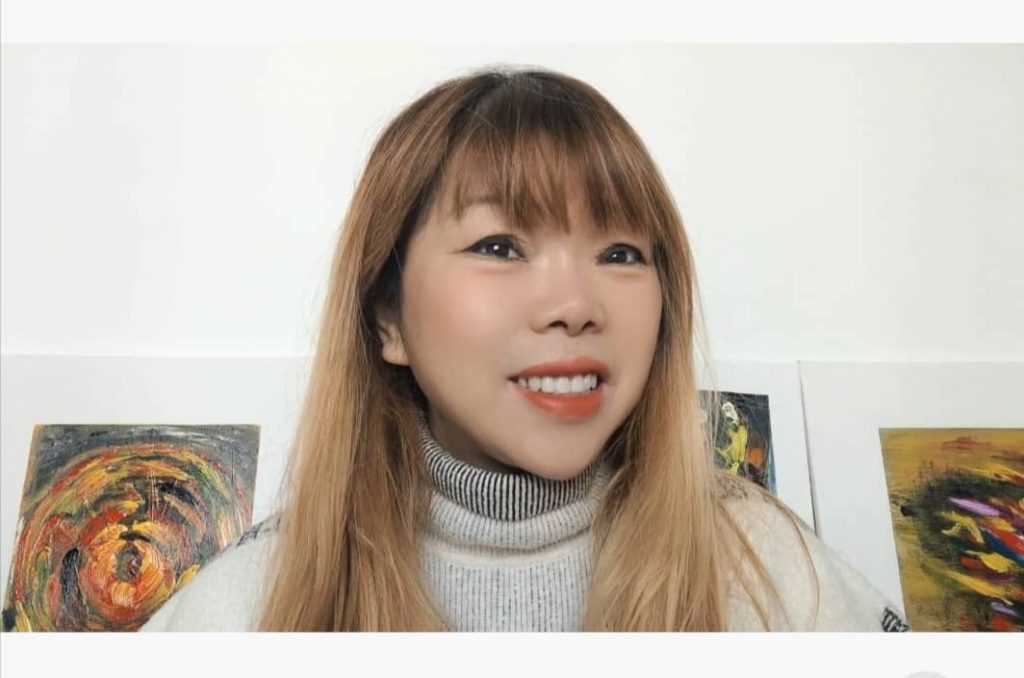
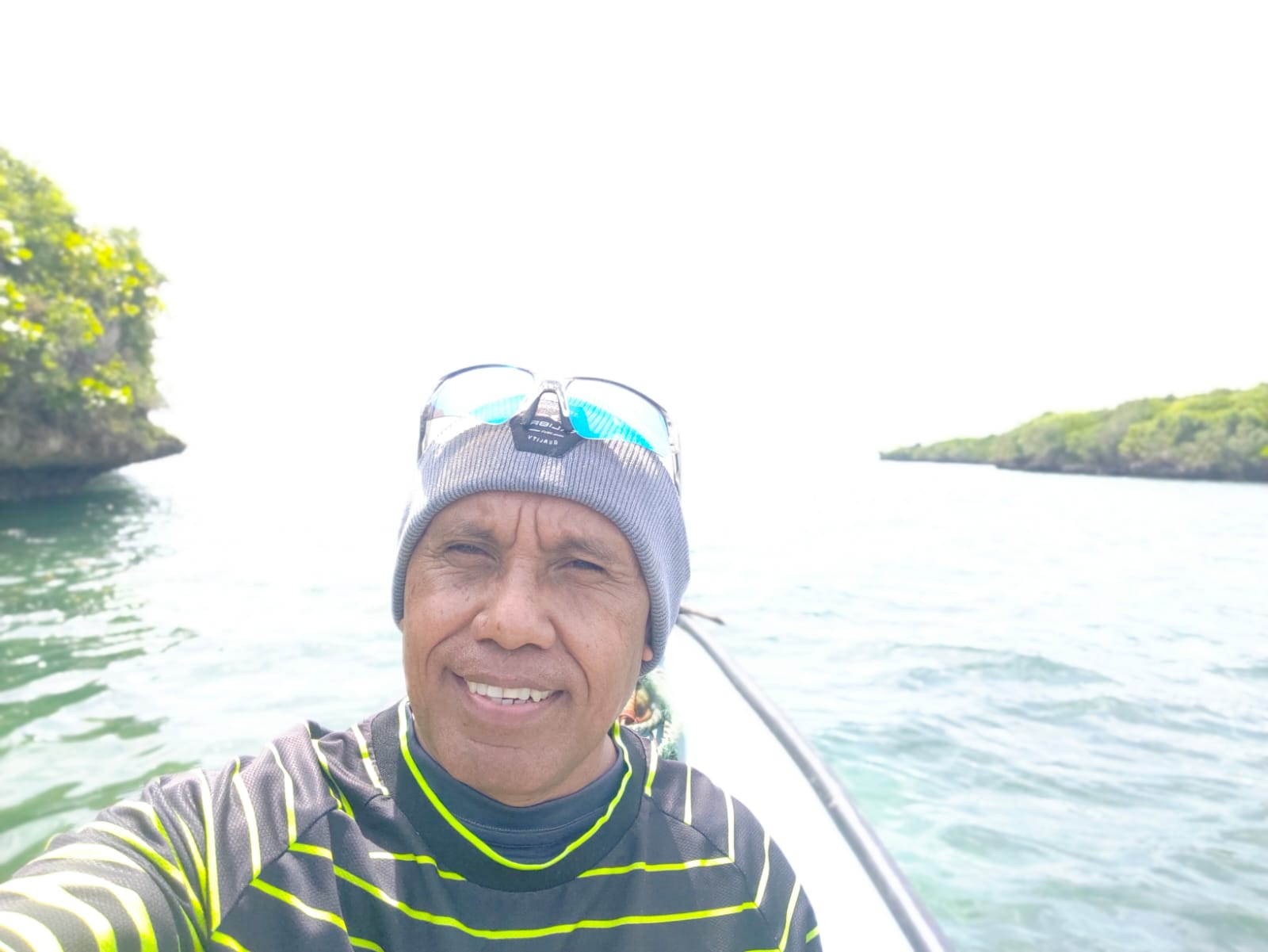
Portrait of Anna Keiko (Shanghai) —international poet, Founder and Leader of the ACC Shanghai International Literary Association (ACC SHILA). Image courtesy of Anna Keiko’s personal archive, via PPIC.
Essay by Leni Marlina
–
There are moments when a poem arrives not as a text, but as a companion.
Anna Keiko’s poem “If You Want to Live” came to me that way.
I did not simply read this poem, I stayed with it. I read it in English, then again in Indonesian while translating it years later. Somewhere between those two languages, the poem began to speak differently. Not louder, not clearer, but closer. As if it had leaned in and whispered something it did not dare to say all at once.
The English version feels calm, spare, almost austere. Each line stands alone, measured and restrained. The Indonesian version, shaped through my own language and emotional choices, moves with more warmth. It breathes. It touches places beneath the skin. Together, they do not compete. They complete each other. That is when I realized: this poem lives between languages.
Life Begins with a Question
The poem does not begin with certainty. It begins with a condition:
“If you want to live”
That if matters. It pauses the reader. It suggests that living is not automatic. It is not guaranteed by breathing, working, surviving. Real living requires consent.
In Indonesian, the line of “Jika engkau ingin hidup”, especially with the added ethical emphasis of “benarlah” word, deepens this moment. It suggests sincerity. Honesty. A willingness to face oneself. Life, the poem implies, is not something we inherit passively; it is something we choose repeatedly.
This way of framing life echoes what translation scholars have long noted: meaning does not simply move across languages. It transforms according to emotional and ethical priorities (Mauladiana & Juniardi, 2024). Translation becomes a mirror, reflecting what we value.
Letting Go Without Anger
Soon, the poem asks us to forget the “vain rewards of the world.” In English, the phrase sounds philosophical, even distant. In Indonesian, ganjaran dunia yang sia-sia feels softer, almost forgiving.
This difference matters. The poem is not angry at the world. It is not rejecting ambition or effort. It is asking a gentler question: What are you holding onto that is quietly draining you?
Reading this line, I found myself thinking of moments of exhaustion, of striving that led nowhere, of goals that looked impressive but felt empty. Letting go, the poem suggests, does not require bitterness. It requires awareness.
As Tri Ediwan and Maharani (2020) remind us, figurative language in poetry often carries emotional memory across languages. Indonesian, in this case, allows room for reflection rather than judgment.
Opening the Window After Darkness
One of the simplest lines in the poem is also one of the most powerful:
“Forget the nightmare, open the window.’
Opening a window is not dramatic. It is ordinary. And yet, it requires courage especially after a long night.
In Indonesian, mimpi buruk feels personal, embodied. The nightmare belongs to someone. And opening the window feels intentional, not symbolic. It is a decision to let the world return, even if it still feels uncertain.
The poem does not promise that the light outside will be gentle. It only suggests that staying closed is no longer an option.
Light That Turns Inward
Then comes the line that stayed with me the longest:
“Light up the lamp, shine into yourself.”
In Indonesian, relung changes everything. The light does not skim the surface. It enters hidden spaces, quiet fears, unspoken doubts, forgotten hopes.
This is not the kind of self-reflection that seeks perfection. It is the kind that seeks honesty. Larasaty and Fakruddin (2024) note that poetry translation often becomes an inward journey for the translator. I felt that deeply here. Translating this line meant asking myself what parts of me resist light and why.
Living, the poem suggests, begins when we stop looking away from ourselves.
Keeping the Soul Warm
The metaphor of the soul as a thermos is tender in its simplicity. It does not glorify struggle or intensity. It speaks of preservation. Warmth. Care.
In Indonesian, the image feels almost maternal. The soul is not something to harden. It is something to protect from becoming cold.
This quietly resists a culture that praises constant strength. The poem suggests another kind of resilience, the kind that allows softness to survive. Translation, once again, becomes a space where emotional meaning expands (Mauladiana & Juniardi, 2024).
Fragility Is Not Failure
When the poem speaks of strange winds and “my flesh and blood,” it acknowledges what we often try to hide: the body is fragile. Fear exists. Exhaustion is real.
The Indonesian verb of “mengalahkan” makes the struggle intimate. This is not heroic conquest. It is daily negotiation. Living means listening to the body without surrendering to despair.
Tri Ediwan and Maharani (2020) describe this tension as central to poetic meaning: between metaphor and lived experience. The poem does not deny weakness. It stays with it.
We Carry Others Within Us
When the poem mentions “a gift of my parents,” it widens its focus. Life is no longer solitary. Identity becomes layered.
The Indonesian phrase of “warisan mulia” carries reverence. Our bodies, values, endurance, these are inheritances. We are wrapped, layer by layer, in histories that did not begin with us.
Living, then, is also an act of remembering.
“When the World Feels Gentle Again”
After all this inward movement, the world returns quietly. Wind. Rivers. Roads.
In Indonesian, the rhythm softens their arrival. The world does not rush in. It waits.
This moment feels like breathing again after holding it too long. Living becomes presence, not defense. Larasaty and Fakruddin (2024) describe how poetry can heighten awareness of ordinary moments. This feels true here. The world is the same, but we are not.
Searching for a Place to Rest the Heart
The poem ends with longing:
“I’m looking for a harbor in my dreams.”
The Indonesian additional word of “hati” become center of emotion. The harbor is not success. It is safety. A place to rest without explanation.
The poem does not promise that we will find this harbor. It only affirms the search. And perhaps that is enough.
Living, Chosen Gently
Reading If You Want to Live bilingually taught me something simple and difficult: living is not about intensity or achievement. It is about attention. Care. Choosing to remain open without losing oneself.
Translating this poem was not an academic task alone. It was a pause. A moment of listening. A quiet agreement to keep the inner lamp lit. Some poems do not tell us what to do. They remind us why we still want to live.
—
References
Marlina, L. (2025, November 30). Anna Keiko’s Poems from Sunrise of Hope Solo Poetry Collection Translated by Leni Marlina. Suara Anak Negeri News.
ANNA KEIKO’ POEMS FROM SUNRISE OF HOPE SOLO POETRY COLLECTION TRANSLATED BY LENI MARLINA
Mauladiana, I., & Juniardi, Y. (2024). Translation techniques in literary poetry texts: A systematic literature review. Indonesian Journal of Teaching and Teacher Education, 4(2).
https://journal.pencerah.org/index.php/ijtte/article/view/406
Tri Ediwan, I. N., & Maharani, S. A. (2020). Figurative language transfer in poetry translation. Pustaka: Jurnal Ilmu-Ilmu Budaya, 20(2).
https://jurnal.harianregional.com/pustaka/full-68610
Larasaty, G., & Fakruddin, A. (2024). Exploring undergraduate students’ experiences in translation activities in poetry class. EJI: Studies in Education, Literature, and Linguistics, 8(1), 42–51.
https://ejournal-fkip.unisi.ac.id/eji/article/view/2637
—
(Leni Marlina, Padang, West Sumatra Province, Indonesia, January 2026)
—–
Appendix
If You Want to Live
Poem by Anna Keiko
–
If you want to live
it’s better to forget the vain rewards of the world
Forget the nightmare, open the window
Light up the lamp, shine into yourself
The soul is like a thermos
The square wall is like a fortress and the temperature rises
No fear any more that the weird wind
Defeat my flesh and blood
I wrap my skin, layer by layer, with a gift of my parents
Then, my eyes and my ears
Wind of springalong the river avenue
I’m looking for a harbor in my dreams
–
Shanghai, China, August 2nd, 2021
———
Note:
The poem by Anna Keiko (China) above is taken (poem no. 12) from her solo poetry collection book entitled “SUNRISE OF HOPE” (2021). It was originally translated from Chinese into German and English by Andreas Weiland
…….
Indonesian Version of the Anna Keiko’s poem above:
Jika Engkau Ingin Hidup
Puisi: Anna Keiko
Penerjemah (Inggris-Indonesia):
Leni Marlina
–
Jika engkau ingin hidup,
benarlah: lupakan saja ganjaran dunia yang sia-sia.
Lupakan mimpi buruk itu, bukalah jendela,
nyalakan pelita,
biarkan cahayanya menembus ke relung dirimu.
Jiwa adalah termos yang menyimpan hangat,
sedang dinding-dinding persegi, kokoh seperti benteng,
menahan suhu agar terus naik.
Tak ada lagi takut
pada angin aneh yang mencoba
mengalahkan daging dan darahku.
Kulilitkan kulitku, warisan mulia
dari ayah dan ibuku, lapis demi lapis,
lalu mataku, telingaku,
terbuka oleh angin semi
yang melintas di jalan sungai.
Di sana, di balik mimpiku,
aku mencari sebuah pelabuhan
tempat hatiku berlabuh.
–
Shanghai, China, 2021
——
Catatan:
Puisi Anna Keiko (China) di atas merupakan salah satu puisi (puisi no. 12) dari kumpulan puisi tunggalnya yang berjudul “SUNRISE OF HOPE” (2021). Puisi tersebut sebelumnya diterjemahkan dari bahasa Cina ke bahasa Jerman dan Inggris oleh Andreas Weiland
————
About the Poet
Anna Keiko is a distinguished poet and essayist from Shanghai, China, whose voice has become one of the most vibrant threads in contemporary world literature. A graduate of East China University of Political Science and Law, she later devoted herself fully to poetry, a path that led her to remarkable international recognition. Her works have been translated into more than 30 languages and published in over 500 journals, magazines, and global media outlets across 40 countries.
As the founder and Editor-in-Chief of the ACC Shanghai Huifeng Literature Association, Anna also serves as the China Representative and Director of the International Cultural Foundation Ithaca. Her literary affiliations span Imagine & Poesia in Italy, the Canadian–Cuban Literary Union, and numerous other cross-cultural networks, reflecting her commitment to building global bridges through poetry.
About the Translator & Reviewer

Image courtesy of the IPLF (International Panorama Literacy Festival) 2026 Organizing Committee, in collaboration with the Capital Writers International Foundation (www.panoramafestival.org).
Leni Marlina is an Indonesian poet, writer, and lecturer at English Languange & Literature Study Program, Faculty of Languages and Arts, Universitas Negeri Padang on Indonesia, where she has taught since 2006.
In 2025, she was appointed Indonesian Poetry Ambassador for the ACC Shanghai Huifeng International Literary Association (ACC SHILA) and ASEAN Director for ACC SHILA Poets. In the same year, she was entrusted by the Capital Writers International Foundation as National Director (Indonesia) for the International Panorama Literary Festival (IPLF) 2026. For more information or to participate in the festival, please visit www.panoramafestival.org.
🌟
—
Please visit the Indonesian version of the essay above by clicking the official following link:
Hidup yang Dipilih: Kesadaran Lintas Bahasa Dalam Puisi Bilingual Anna Keiko “If You Want to Live”